Add to wishlist
Born in 1939, lives and works in Paris
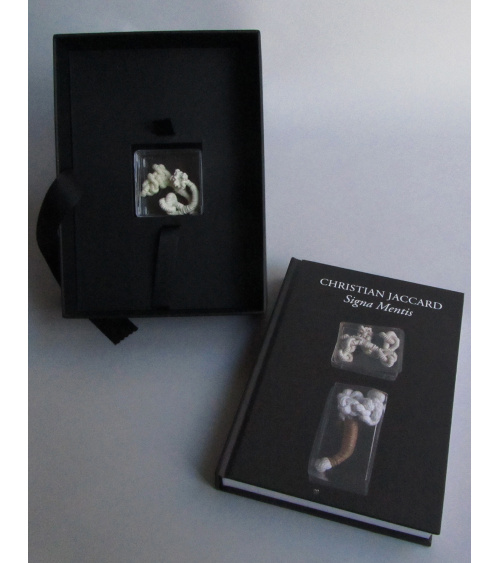
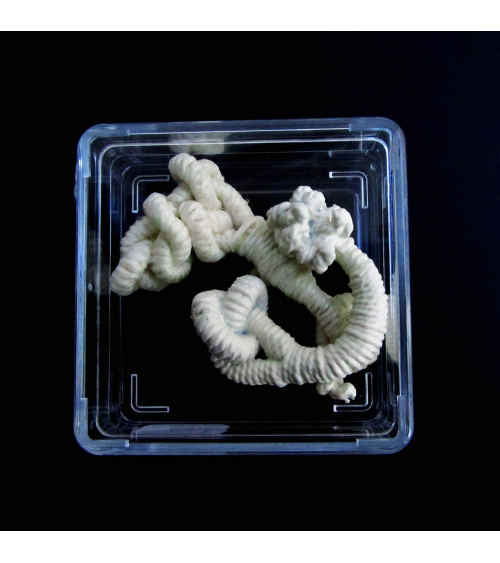
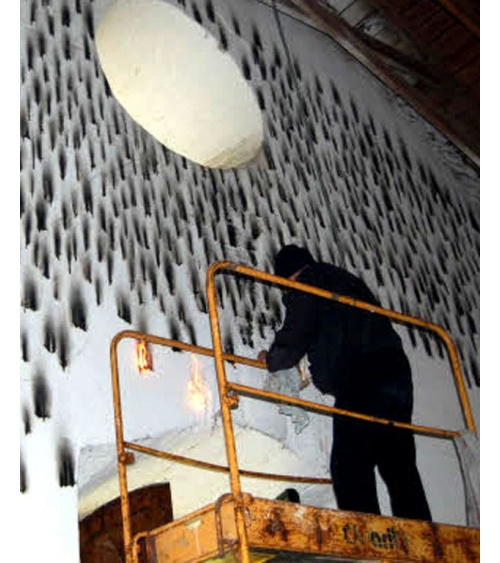
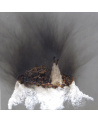
Calcination and tattooing by fire, knotting and intertwining objects are dual and complementary gestures that showcase the creative process and symbolize the “arrow” of time. Initiated in the 1970s, the ignée approach combines the pictorial gesture with the ancestral practice of slash-and-burn agriculture, known as culture sur brûlis. Slow-burning alters colors, materials, and various media, from which new traces emerge. These “automatic drawings” are traces of time, constituting for the artist a memory trace and a meaningful reference point. On walls or buildings, these “ephemeral paintings” celebrate the energy of combustion. At the same time, Christian Jaccard shapes knotty textures into domestic, organic, or abstract forms that occupy space in dynamic, baroque arrangements, forging the Concept Supranodal.
Works presented by the gallery :
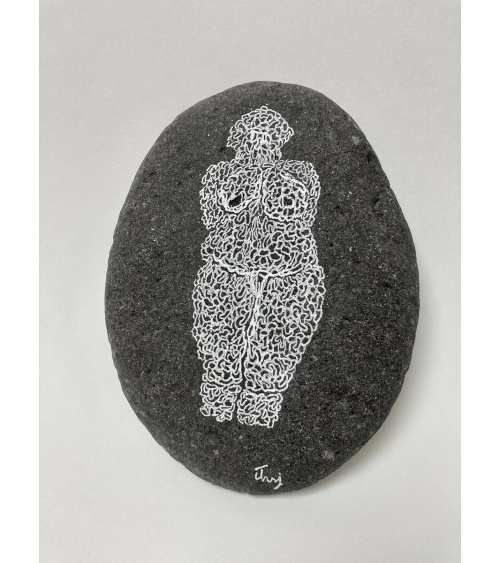
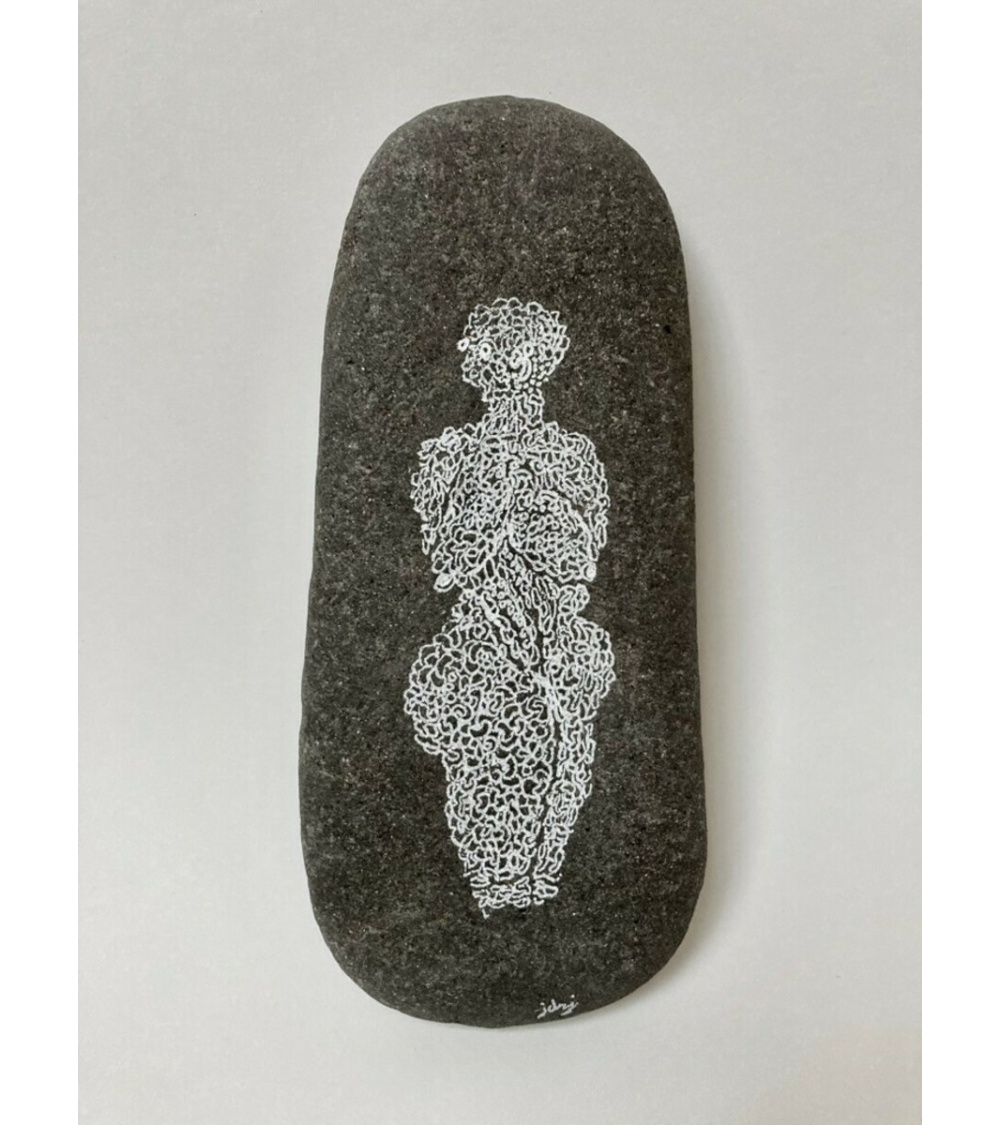
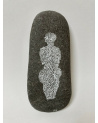
1- Vénus - Concept Supranodal, 2009
Acrylic on pebble
23 × 10 × 4 cm
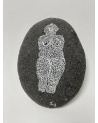
2- Vénus - Concept Supranodal (2), 2009
Acrylic on pebble
19 × 14.5 × 3 cm
3- BRN, Ombre de suie, 1991-1992
Brûlis on grained zinc
30 × 30 cm
4- BRN, Ombre de suie (2), 1991-1992
Brûlis on grained zinc
30 × 30 cm
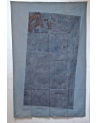
5- Empreinte polychrome, 1971
Indigo ink on canvas
200 × 150 cm
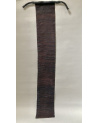
6- Couple Toile-Outil, 1976
Polychrome imprint
200 × 80 cm
Christian Jaccard was born in 1939 in Fontenay-sous-Bois, France.
He lives and works in Paris.
After having studied at the school of fine arts Paris, Christian Jaccard perturbs very soon the traditional act of painting.
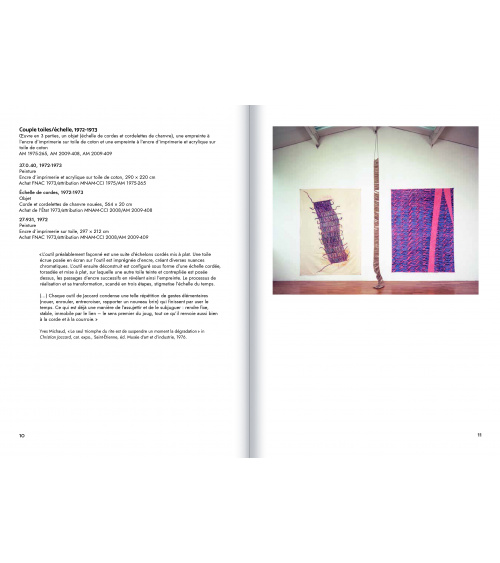
Free of the frame, the canvas, placed on the ground, is printed with the help of what he calls “tools”: natural objects (plants and insects), paper, ribbon. His work thus places him in line with preoccupations close to those of the group Supports/Surfaces.
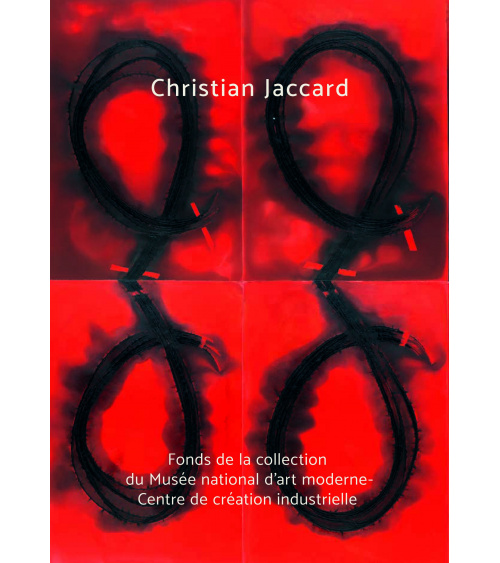
In the 1970s, Jaccard uses other « tools » like the rope, the string, and, most of all, knots. All these replace the brush, in order to leave their prints on the canvas. He equally burns his paintings thanks to the slow burning fuse, which draws traces on canvases and other mediums through its combustion.
Starting with the year 2000, along with his outdoor works in abandoned places (industrial fallow lands), the question of the painting emancipates itself without denying its origins. His studio thus becomes a nomadic and ephemeral laboratory.
You might also like